About / Why Foundry
Operational Coherence isn’t accidental.
It’s forged.
Strong Systems. Better Stories.

A team solves the problem in front of it.
A leader responds to a legitimate constraint.
A process evolves to meet a real need.
A tool is implemented for a perfectly reasonable purpose.
Good intentions. Logical choices. Real needs.
And yet, over time, the whole becomes less coherent.
The Drift
When decisions are made from different reference points, the parts may continue working exactly as designed while the organization slowly loses alignment.
Nothing has to be broken for the system to stop working well.
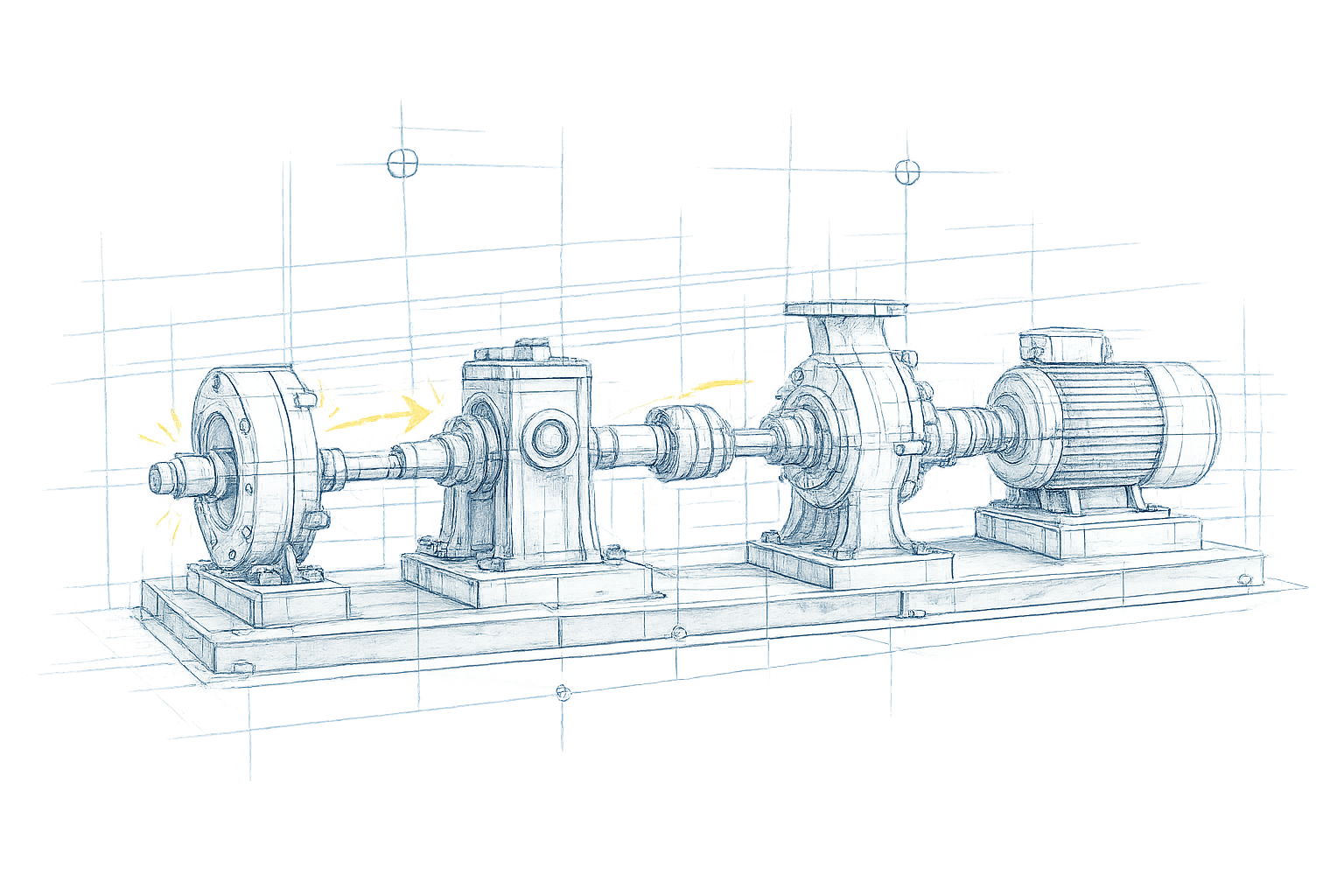
Same path. Not the same alignment.
The Result
Energy is lost. Performance suffers. People compensate. They system underperforms despite good parts.
The Perspective
Across security, quality, service management, compliance, governance, proposals, and operations, the same pattern kept appearing: capable people were working hard inside systems that no longer quite fit together.
The individual pieces often made sense. The policies existed. The processes existed. The tools existed. The people understood their jobs.
What was missing was not effort, expertise, or another layer of process. What was missing was coherence.
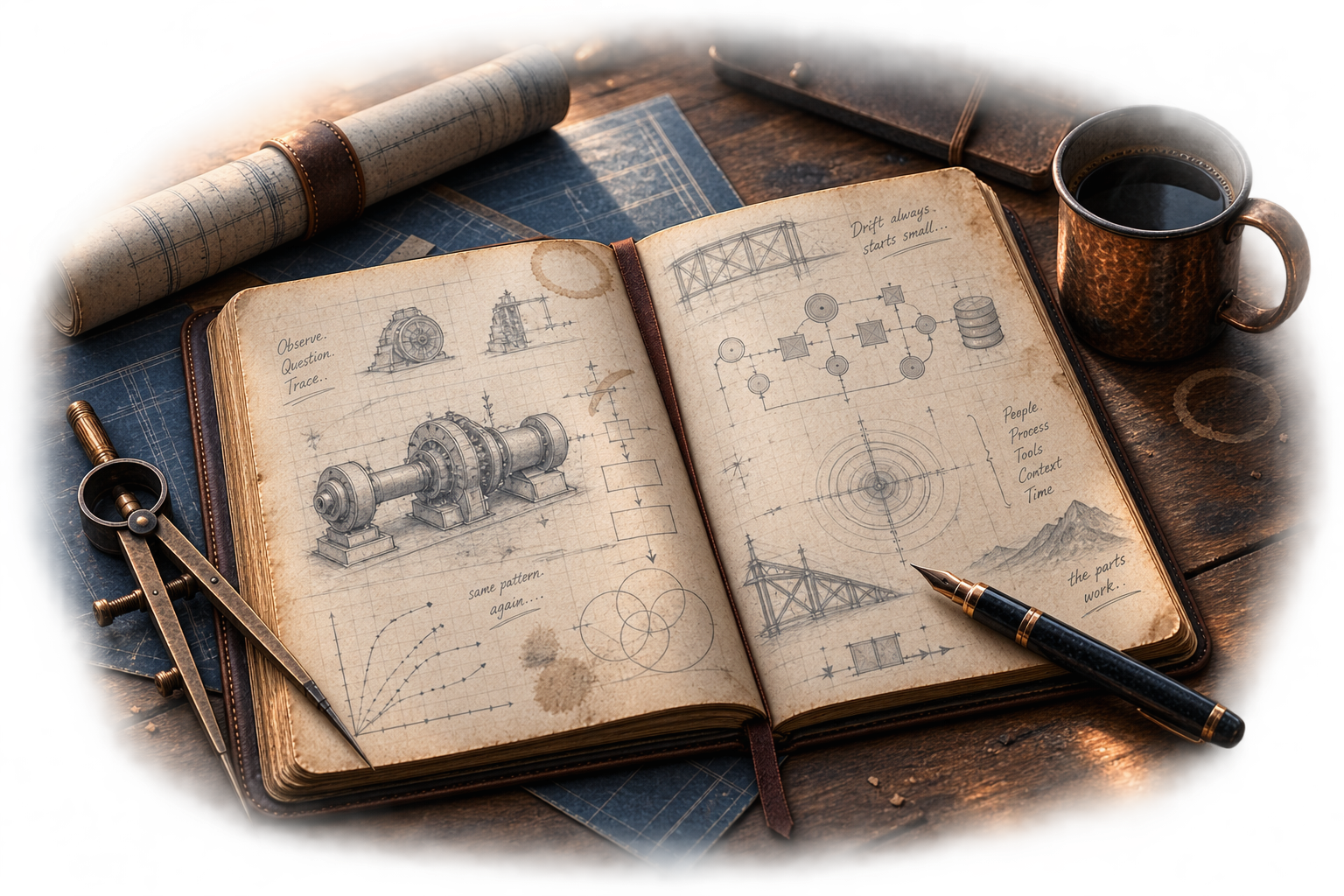
Experience reveals patterns. Purpose turns them into principles.
Why “Foundry”
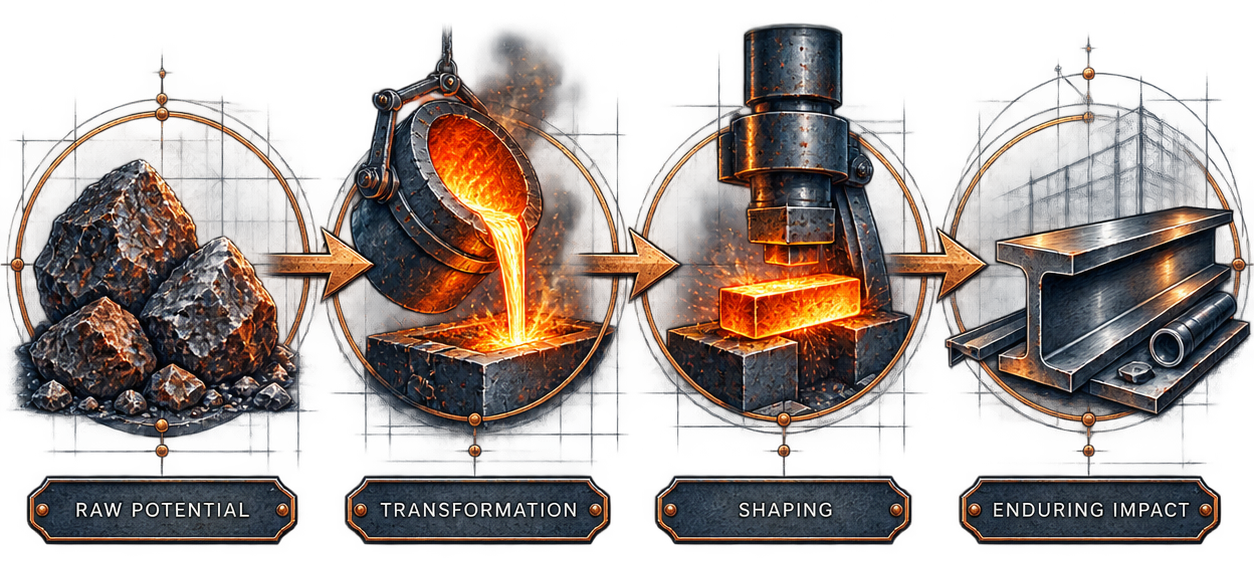
Ideas. Intentions. Resources.
Structured processes. Disciplined alignment. Deliberate work.
Systems designed to hold together.
Coherent operations. Sustained results.
A foundry takes raw material, applies heat and pressure, shapes it deliberately, tests the result, and works it again when necessary.
Organizations are not so different.
They are living systems. They change under pressure. They accumulate history. They adapt to new demands. And maintaining coherence requires more than designing the right structure once.
It requires observation, judgment, iteration, and craft.
Operational Coherence
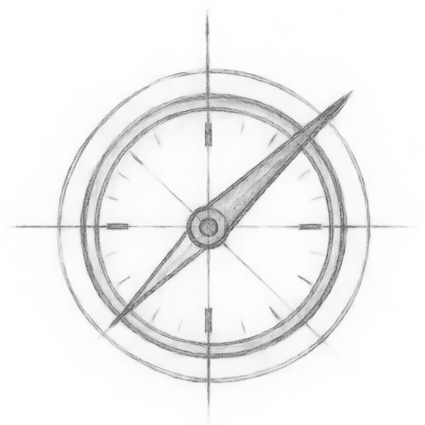
Sets direction and intent
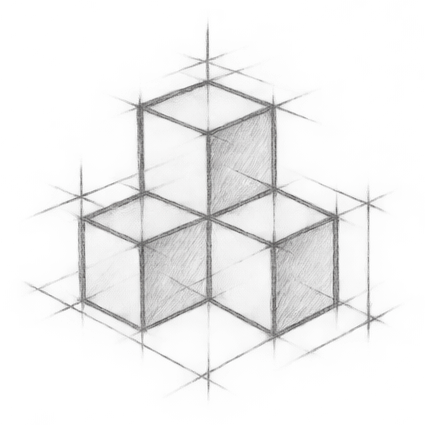
Defines roles and authority
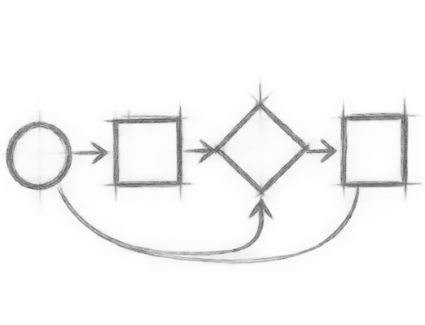
Coordinate work and decisions
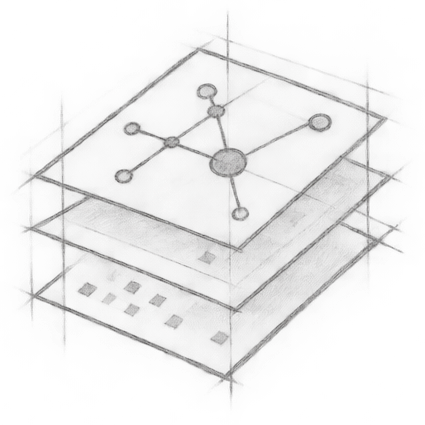
Creates clarity and feedback
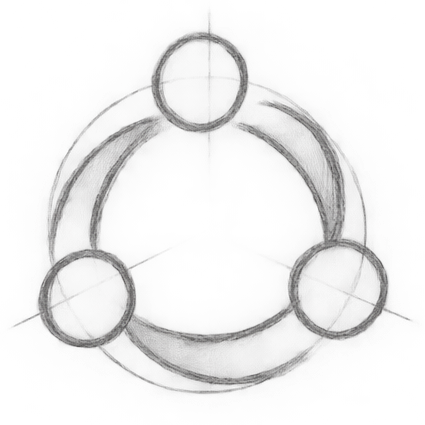
Account for human adaptation
Foundry Framework™
The Foundry Framework provides a disciplined way to examine how an organization actually operates, understand the forces shaping it, design deliberate interventions, implement them, measure what changes, and adapt as reality changes.
The objective is a system capable of remaining coherent while it moves.
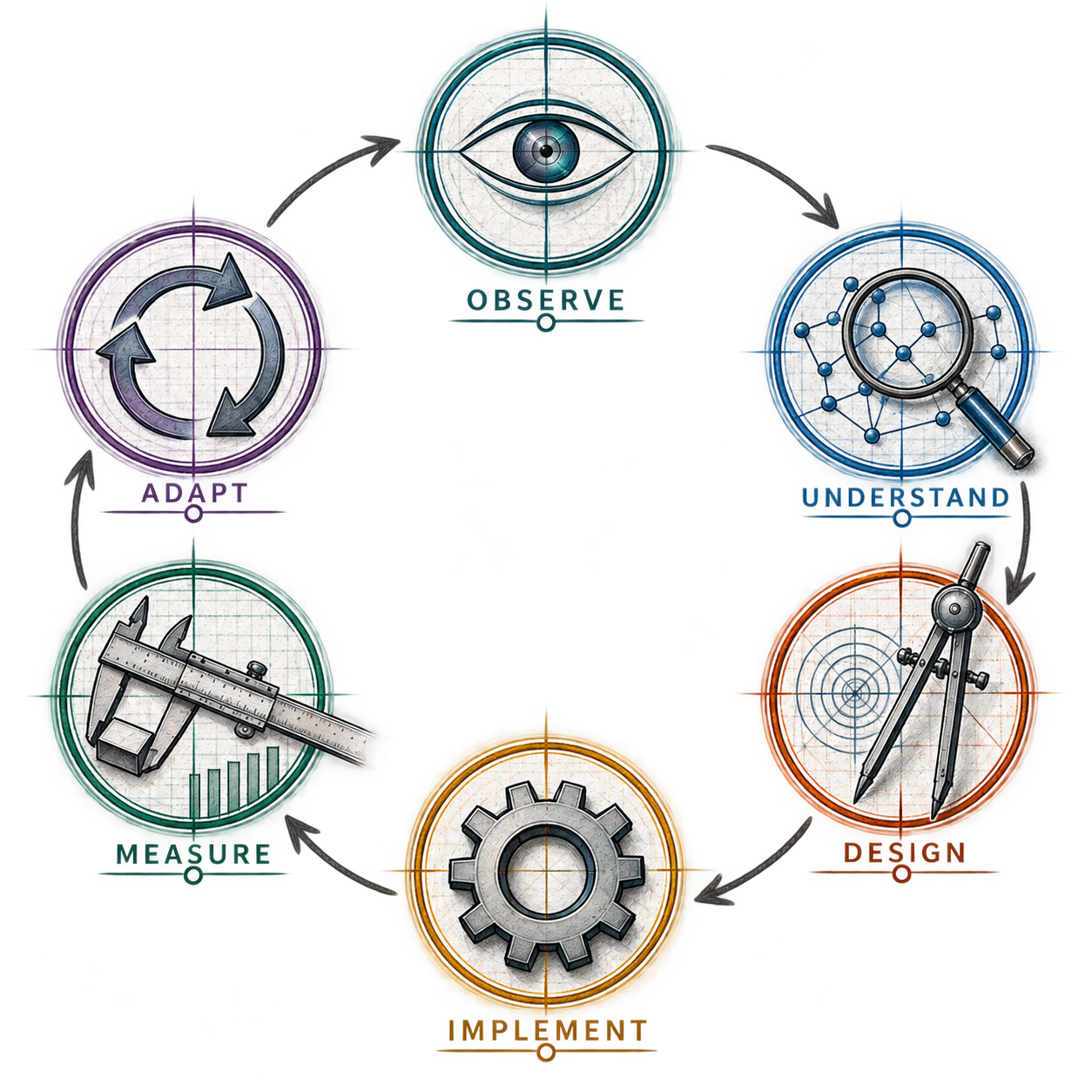

The Framework translates principles into practice–and practice into coherence.
The work continues.
Explore the Foundry Framework and the operating discipline behind Observe, Understand, Design, Implement, Measure, and Adapt.